
Deutsch / English below
Die Kontrolle Ihrer Emotionen
Wie kann man seine Emotionen so kontrollieren, dass sie mit dem Verstand übereinstimmen? Ein Beispiel: Ich habe eine große Summe Geld verloren. Intellektuell weiß ich, dass es gut für mich ist, weil Hakodosh Boruch Hu nur Gutes tut, aber ich ärgere mich trotzdem darüber.
Und die Antwort ist, er sollte weiterhin die Gelegenheit nutzen und sich immer wieder in den Kopf setzen, dass das zu seinem Vorteil ist. Denn sonst wird er nie über dieses Prinzip nachdenken. Aber weil er das Geld verloren hat, ist es jetzt eine Chance. Auch wenn der Schmerz über den Verlust des Geldes immer in seinem Kopf bleiben wird, kann er die Lektion dennoch lernen.
Er kann sich selbst immer wieder den Gedanken vor Augen führen: «Nein, es ist zu meinem Vorteil. Es ist zu meinem Vorteil.» Wieder und wieder. Und schließlich wird er ein wenig erkennen, dass es zu seinem Vorteil ist. Das ist eine sehr große Leistung.
Das bedeutet nicht, dass Sie singen und tanzen werden, weil Sie Geld verloren haben. Das ist unnatürlich. Aber das kleine bisschen wird in Ihr Bewusstsein eindringen: «Vielleicht ist es zu meinem Vorteil.» Ah! Wenn Sie schon sagen: «Vielleicht ist es zu meinem Vorteil», dann haben Sie schon etwas Großes erreicht.
Jedes Unglück im Leben, wenn es Sie dazu bringt, zu sagen: «Vielleicht ist es gut für mich; vielleicht werde ich dadurch besser», dann sind Sie schon besser.
Controlling your Emotions
How does one control one’s emotions that they should be accordance with one’s intellect? For example, I lost a large sum of money. Intellectually I know that it’s good for me because Hakodosh Boruch Hu does only good, yet I’m still vexed about it.
And the answer is, he should continue to utilize the opportunity and knock it into his head again and again that that’s for his benefit. Because he’ll never think about that principle otherwise. But because he lost the money, now it’s an opportunity. So even though the hurt of the loss of the money will always rankle in his mind, but the lesson can still be learned.
He can bring home to himself again and again the thought, “No, it’s for my benefit. It’s for my benefit.” Again and again. And finally, a little bit he’ll realize it’s for his benefit. That’s a very big achievement.
It doesn’t mean you’re going to sing and dance because you lost money. That’s unnatural. But the little bit will enter your awareness: “Maybe it’s for my benefit.” Ah! If you already say, “Maybe it’s for my benefit,” then you already have achieved something big.
Any misfortune in life, if it’ll bring you to say, “Maybe it’s good for me; maybe I’m getting better because of it,” then you already are better.
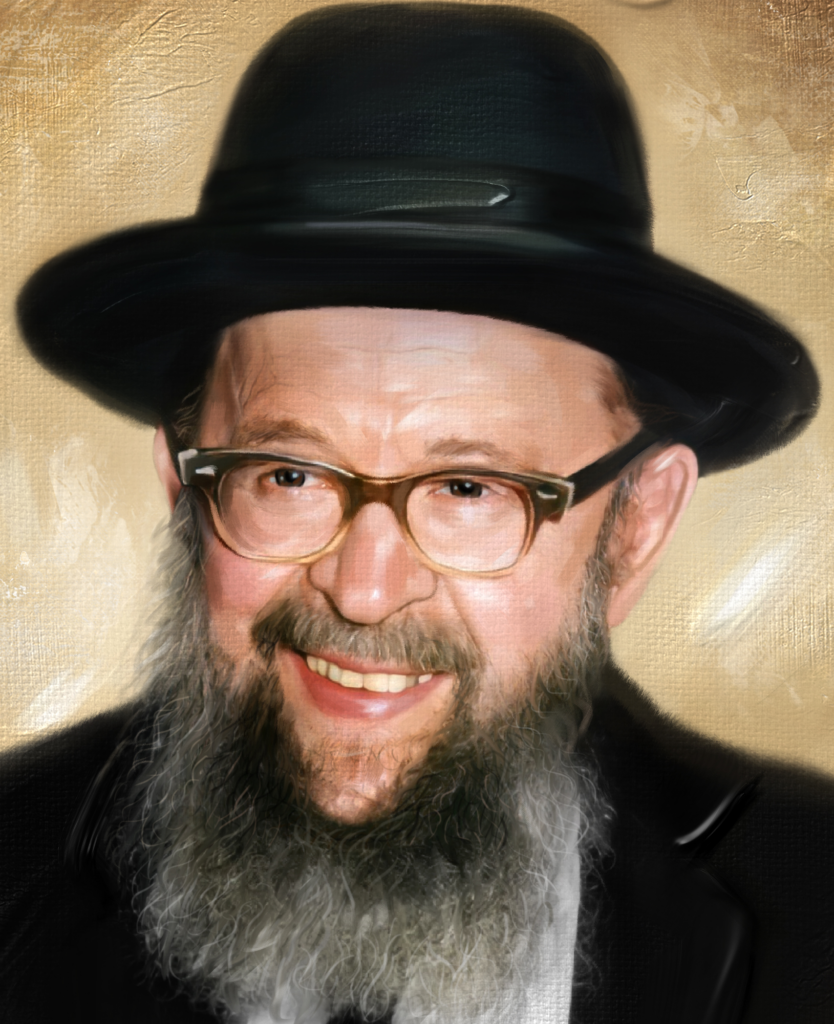
Rav Avigdor Miller
TAPE # 256 (February 1979)
Mit freundlicher Genehmigung von / With kind permission from
Toras Avigdor: