

Deutsch / English below
Jenseits der Grenze
Aber dann fügte Jisro noch etwas hinzu: וְאֶת הַֽמַּֽעֲשֶׂה אֲשֶׁר יַֽעֲשֽׂוּן – «Und du sollst sie auch die Taten lehren, die sie tun sollen», was bedeutet, dass wir nicht nur eine Nation der «Wege, der Ideen» sind. Das ist der erste Punkt, aber es reicht nicht aus, nur edle Platitüden zu verbreiten. Wie einige Gruppen von Juden, die über Ideale reden, aber wenn es um praktische Dinge geht, leben sie genauso wie Nichtjuden; fast kein Unterschied.
Nein, eine Derech, eine Lebensphilosophie, ist nicht genug. Sicherlich gibt es eine jüdische Derech, aber es gibt auch jüdische Handlungen. Und man muss mit jüdischen Handlungen leben, sonst ist es nichts.
Oft erlebt man das: Man drängt jemanden, dies zu tun oder jenes nicht zu tun, aber er stößt einen weg. «Ich bin in meinem Herzen Jude», sagt er.
Stellen Sie sich also vor, dass dieser ‚Herzensjude‘ schwimmen gegangen ist. Und er ist ein bisschen zu weit rausgefahren und jetzt hat er Krämpfe und schreit um Hilfe. Und der Rettungsschwimmer sitzt am Strand und schaut zu.
Du sagst also zu dem Rettungsschwimmer: «Ein Mann ertrinkt!»
Er sagt: «Ist das so?»
Also sagst du ihm: «Willst du nicht helfen?!»
Und er sagt: «Natürlich will ich ihm helfen. In meinem Herzen will ich helfen.»
Echte Juden
Nun, mit deinem Herzen wirst du niemanden vor dem Ertrinken retten. Und mit deinem Herzen wirst du auch kein Jude sein. Ein Jude hält den Shabbos ein, sonst ist er kein Jude. Wenn er nicht kosher isst und keine Mesusa an seiner Tür hat, kann er sich nicht als Jude bezeichnen. Allein die Tatsache, dass er diese Taten nicht tut, zeigt, dass er kein Jude ist – das ist der beste Beweis dafür, dass es nicht in seinem Herzen ist. Das Herz, die Derech, ist nur dann von Bedeutung, wenn es sich in Taten ausdrückt.
Und deshalb sind dies die beiden allgemeinen Ermahnungen, die Jisro zu Moshe sagte: die Derech und die Ma’aseh. Zuerst die Derech und dann Nummer zwei, וְאֶת הַֽמַּֽעֲשֶׂה אֲשֶׁר יַֽעֲשֽׂוּן – sie müssen das Tun gelehrt werden; das Tun ist das, was zählt.
Beyond the Line
But then Yisro added something else: וְאֶת הַֽמַּֽעֲשֶׂה אֲשֶׁר יַֽעֲשֽׂוּן – “And you should teach them also the deeds that they should do,” which means we’re not only a nation of ‘ways, of ideas’. That’s the first thing but it’s not enough to just spout noble platitudes. Like some groups of Jews who talk about ideals but when it comes down to practical things, they live just exactly like gentiles do; almost no difference.
No; a derech, a philosophy of life, is not enough. Absolutely there’s a Jewish derech but there are Jewish acts too. And you have to live with acts of Judaism, otherwise it’s nothing.
Many times you experience this; you urge somebody to do this or not to do that, but he pushes you off. “I am a Jew in my heart,” he says.
So imagine that this ‘heart-Jew’ went swimming. And he went out a little bit beyond his depth and now he has cramps and he is shouting for help. And the lifeguard is sitting on the beach and looking on.
So you say to the lifeguard, “A man is drowning!”
He says, “Is that so?”
So you tell him, “Don’t you want to help?!”
And he says, “Sure I want to help him. In my heart I want to help.”
True Jews
Well with your heart you are not going to save anybody from drowning. And with your heart you’re not going to be a Jew either. A Jew keeps Shabbos; otherwise he’s not a Jew. If he doesn’t eat kosher and have a mezuzah on his doorway, he can’t call himself a Jew. The fact that he doesn’t do those deeds itself demonstrates that he is a nothing Jew – that’s the very best evidence that it’s not in his heart. The heart, the derech, is only meaningful when it is expressed in actions.
And therefore, these are the two general admonitions that Yisro said to Moshe: the derech and the ma’aseh. First the derech and then number two, וְאֶת הַֽמַּֽעֲשֶׂה אֲשֶׁר יַֽעֲשֽׂוּן – they have to be taught the doing; the doing is what counts.
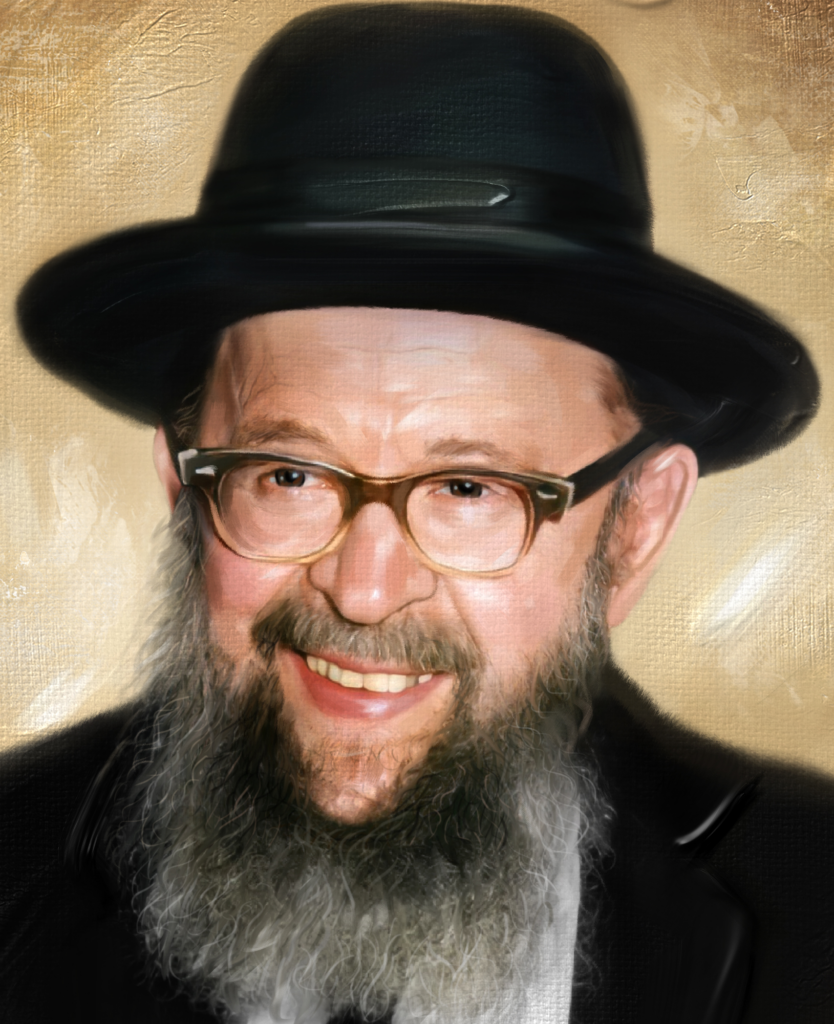
Rav Avigdor Miller ZT «L
Auszug aus / Excerpt from