

Deutsch / English below
Die Makkos funktioniert nicht
Wenn wir die Geschichte der zehn Makkos studieren, ist es wichtig, dass wir uns vorher klar machen, was ihr Zweck war. Und wenn wir wissen wollen, was ihr Zweck war, müssen wir zu Beginn feststellen, was ihre Funktion ganz sicher nicht war: Der Zweck der Makkos war nicht, die Am Jisroel zu befreien.
Tatsache ist, dass Hakadosh Baruch Hu im Voraus gesagt hatte, dass die Makkos nicht helfen würden: וַאֲנִי אַקְשֶׁה אֶת לֵב פַּרְעֹה – Ich werde das Herz des Pharao verhärten (Shemos 7:3). Mehr als einmal hat HaShem offen gesagt, dass Er das Herz des Pharaos sowieso verhärten würde und dass es nur genau dann sein würde, wenn HaShem es will, dann würde die Am Jisroel frei gehen.
Und genau das ist passiert – der Makko hat sie nicht befreit. Nur dass schließlich, als Hakadosh Baruch Hu entschied, dass die Zeit reif war, Er den Pharao mitten in der Nacht aufstehen und die Am Yisroel aus seinem Land jagen ließ.
Träume und Schlagzeilen
Nun, wenn die Makkos nicht nötig wären, um uns zu befreien, damit es eine Kasha ist, wer braucht dann das ganze Geschäft? Hakadosh Baruch Hu hätte uns auf eine viel weniger komplizierte Weise retten können. Er hätte dem Pharao vielleicht einen Traum schicken können, wie er ihn Lavan Ha’arami geschickt hatte, als er Yaakov nachstellte; oder wie die Träume, die er dem König der Plishtim und dem alten Pharao zur Zeit Avraham Avinu’s schickte. Und der Pharao wäre am Morgen aufgestanden, hätte seine Minister zusammengerufen und ihnen gesagt: «Seht her, Leute. Ich habe lange darüber nachgedacht, und nach vielen feierlichen und gebetsvollen Überlegungen bin ich zu dem Entschluss gekommen, die Bnei Jisroel ziehen zu lassen.»
Und das wäre das Ende der Dinge gewesen – es wäre ein königlicher Erlass gewesen! In der Cairo Tribune wäre es eine Schlagzeile auf der ersten Seite gewesen: Quelle im Königspalast enthüllt, dass der Pharao die Hebräer freilässt! Und wir wären genauso aus Mitzrayim in die Freiheit gegangen, ohne das ganze Tohuwabohu der Makkos. HaShem hätte es auf diese Weise geschehen lassen können – warum nicht?
Erklärung der Eirev Rav
Wenn also die Makkos nicht nötig waren, um die Freiheit der Am Jisroel zu erreichen, was war dann ihr wahrer Zweck?
Nun, wir müssen nicht lange suchen, um die Antwort zu finden, denn Hakadosh Baruch Hu hat sie so klar wie nur möglich formuliert. Er sagte Moshe Rabbeinu, wozu die Makkos da sind: וְיָדְעוּ מִצְרַיִם כִּי אֲנִי הַשֵּׁם –
«Damit Ägypten erkennt, dass ich HaShem bin» (ibid. 7:5). Das ist der Zweck der Makkos.
Und die Wahrheit ist, dass sehr viele Ägypter die Lektion gelernt haben. Manche profitierten ein wenig, manche mehr – und manche sogar so sehr, dass sie beschlossen, ihr Los mit den Bnei Jisroel zu teilen. וְגַם עֵרֶב רַב עָלָה אִתָּם – Eine große Anzahl von Ägyptern verließ Mitzrayim mit den Bnei Jisroel (ibid. 12:38). Warum sind sie wohl gegangen? Weil וְיָדְעוּ מִצְרַיִם; sie hatten die Lektion gelernt!
Aber wir verstehen sofort, dass diese Makkos nicht zum Nutzen von Mitzrayim gegeben wurden – es waren nicht die Mitzrim, die Hakadosh Baruch Hu am meisten interessierten. Von allen Talmidim, für die die Lektionen bestimmt waren, waren die Am Jisroel am wichtigsten.
Die Lektionen sind für uns! Wer liest die Geschichte noch jedes Jahr in der Shul? Die Mitzrim? Machen die Mitzrim einen Pessach-Seder, um sich an die Lektionen zu erinnern? Wenn es also heißt, וְיָדְעוּ מִצְרַיִם כִּי אֲנִי הַשֵּׁם, bedeutet das וְיָדְעוּ בְּנֵי יִשְׂרָאֵל כִּי אֲנִי הַשֵּׁם. Es bedeutet: «Sogar das Volk von Mitzrayim»; die Mitzrim werden auch lernen, aber dadurch, dass sie zusehen, wie die Mitzrim die Lektion auf die harte Tour lernen, wird der eigentliche Zweck erfüllt – die Bnei Jisroel werden lernen, dass ich HaShem bin.
The Makkos Don’t Work
When we study the story of the ten makkos, it’s important to make clear beforehand what their purpose was. And if we want to know what their purpose was, we have to establish at the beginning what their function most definitely was not: The purpose of the makkos was not to set free the Am Yisroel.
The fact is that Hakadosh Baruch Hu had said beforehand that the makkos wouldn’t help: וַאֲנִי אַקְשֶׁה אֶת לֵב פַּרְעֹה – I will harden Pharaoh’s heart (Shemos 7:3). More than once Hashem said openly that He was going to harden the heart of Pharaoh anyhow and that it would only be at that exact time when Hashem wants, that’s when the Am Yisroel would go free.
And that’s precisely what happened – the makkos didn’t set them free. Only that finally, when Hakadosh Baruch Hu decided that the time was right, He made Pharaoh get up in the middle of the night and chase the Am Yisroel from his land.
Dreams and Headlines
Now, if the makkos weren’t needed to set us free so it’s a kasha; who needs the whole business? Hakadosh Baruch Hu could have saved us in a much less complicated way. He could have sent maybe a dream to Pharoah, like he had sent to Lavan Ha’arami when he was chasing after Yaakov; or like the dreams He sent to the king of the Plishtim and to the old Pharaoh in the time of Avraham Avinu. And Pharaoh would have gotten up in the morning and called together his ministers and he would have told them, “Look people. I’ve been thinking about this for a long time now and after a lot of solemn and prayerful deliberation I’ve come to the decision to let the Bnei Yisroel go.”
And that would have been the end of things – it would have been a royal decree! In the Cairo Tribune, it would have been front page headlines: Source In The Royal Palace Reveals Pharaoh To Set Hebrews Free! And we would have walked out of Mitzrayim to freedom just the same, without all the hullabaloo of the makkos. Hashem could have made it happen that way – why not?
Explaining the Eirev Rav
And so, if the makkos weren’t needed to achieve the freedom of the Am Yisroel, what was their true purpose?
Now, we don’t have to look far to find the answer because Hakadosh Baruch Hu stated it as clearly as could be. He told Moshe Rabbeinu what the makkos were for: וְיָדְעוּ מִצְרַיִם כִּי אֲנִי הַשֵּׁם – “So Egypt shall know that I am Hashem” (ibid. 7:5). That’s the purpose of the makkos.
And the truth is that very many Egyptians learned the lesson. Some benefited a little and some benefited more – and some even gained such great benefit that they decided to throw in their lot with the Bnei Yisroel. וְגַם עֵרֶב רַב עָלָה אִתָּם – A big number of Egyptians left Mitzrayim with the Bnei Yisroel (ibid. 12:38). Why do you think they left? Because וְיָדְעוּ מִצְרַיִם; they had learned the lesson!
But we understand right away that it wasn’t for the benefit of Mitzrayim that these makkos were given – it wasn’t the Mitzrim that concerned Hakadosh Baruch Hu most. Of all the talmidim for whom the lessons were intended, it was the Am Yisroel who were most important.
The lessons are for us! Who still reads the story in shul every year? The Mitzrim? Do the Mitzrim make a Pesach Seder to remember the lessons? So when it states, וְיָדְעוּ מִצְרַיִם כִּי אֲנִי הַשֵּׁם, it means וְיָדְעוּ בְּנֵי יִשְׂרָאֵל כִּי אֲנִי הַשֵּׁם. It means, “Even the people of Mitzrayim”; the Mitzrim will also learn, but by means of watching the Mitzrim learn the lesson the hard way, the real purpose will be fulfilled – the Bnei Yisroel will learn that I am Hashem.
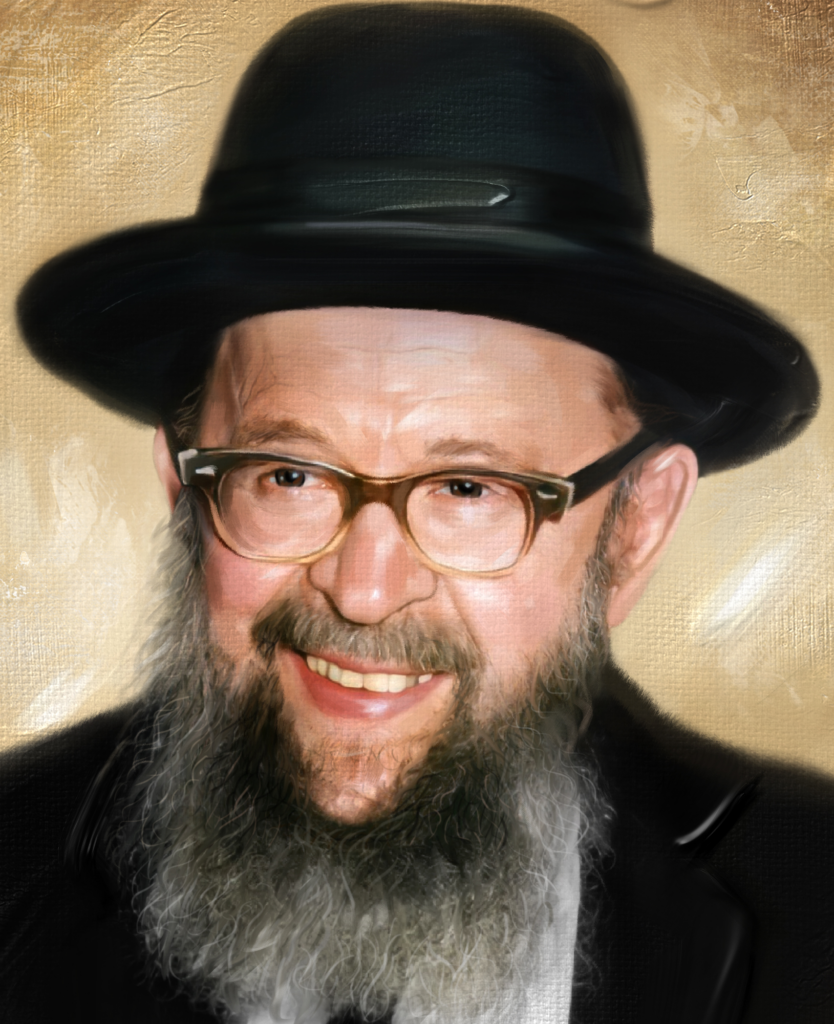
Exerpt from Parasha Vaera
by Rav Avigdor Miller ZT’L,
full parasha please read here: