
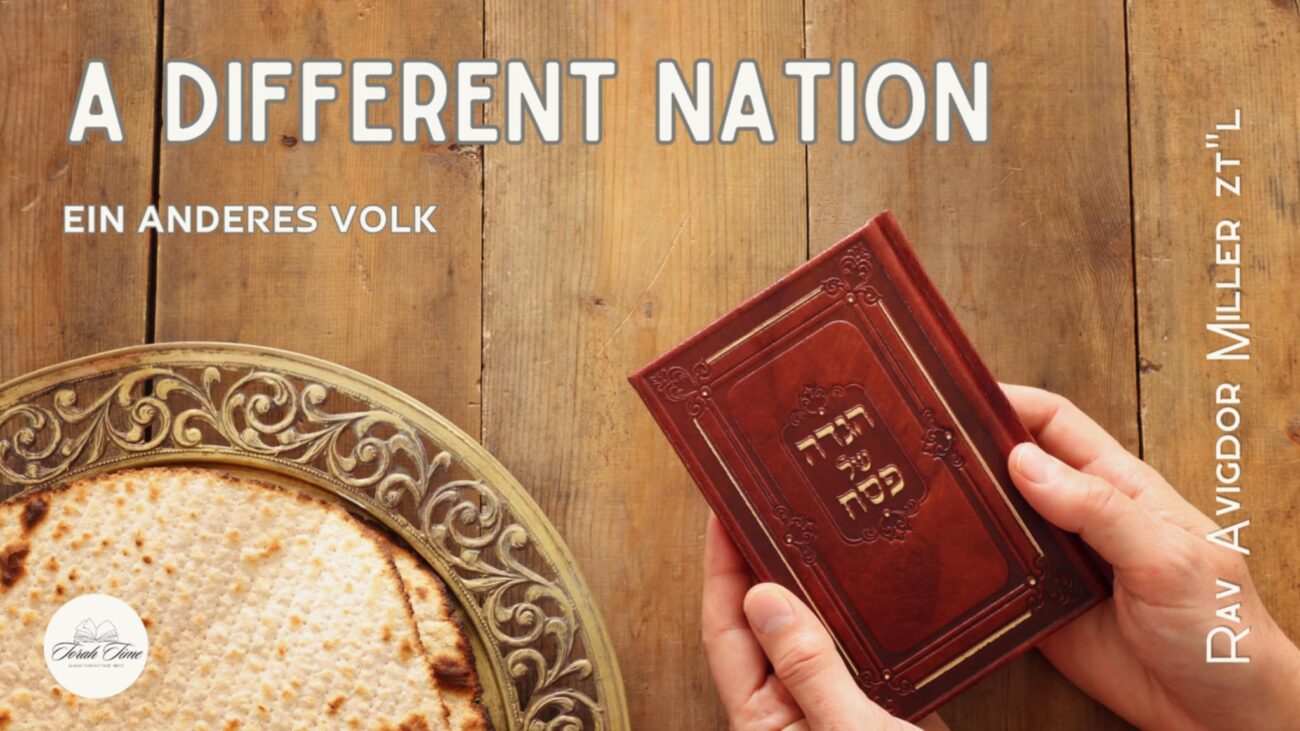
🇬🇧 below
Willentliches Leiden
Wenn wir bedenken, dass Matze lechem oni, Brot des Leids ist, ist es wichtig zu verstehen, dass das Leid, das wir in Ägypten erlitten haben, nicht unbedingt die Schuld der Mitzrim war. Es stimmt zwar, dass sie uns bis auf die Knochen ausgebeutet haben und wir schrecklich unter ihnen gelitten haben, aber es gibt noch einen anderen Aspekt der «Trübsal», den wir nicht speziell auf die Bosheit der Ägypter schieben können – das lechem oni steht auch für die Trübsal, die wir in Mitsrayim freiwillig auf uns genommen haben. Das ist ein völlig neues Thema, das die Matza bezeugt, und es muss erklärt werden.
Tatsache ist, dass in der Antike jede Minderheit, selbst ein Sklavenvolk, das inmitten eines Gastlandes lebte, die Wahl hatte: entweder man assimiliert sich oder man leidet. Unter den Völkern des Altertums gab es keine Möglichkeit, in einem anderen Land zu leben und dennoch eine eigene Identität zu bewahren. Wenn man nicht bereit ist zu leiden, absichtlich getrennt und anders zu bleiben und all die Erniedrigung und das Leid zu ertragen, die damit einhergehen, ein Ausgestoßener zu bleiben, wird man sich assimilieren – manchmal sofort, manchmal etwas später – und nach einer Weile wird man Teil der Nation, die einen ursprünglich versklavt hatte. Im Laufe der Zeit verschmolzen die Sklaven mit ihren Herren. Sie vermischten sich mit ihnen und gingen unter ihnen verloren.
Ein anderes Volk
Aber bei den Bnei Jisroel war es anders. Sie hatten eine andere, eine höhere Bestimmung als alle anderen Völker der Welt und weigerten sich daher, sich zu ändern.
Sie änderten ihre Namen nicht. Stellen Sie sich vor, ein Jude muss einen Beruf ergreifen, ein Büro in Manhattan, und sein Name ist, sagen wir, Mosche; also trägt er sich als Maurice oder Murray oder etwas anderes ein, damit er unter den Nichtjuden nicht so auffällig ist; er sollte sich nicht unwohl fühlen. Aber seht euch die Namen dieser Generation in Mitzrayim an! Schöne hebräische Namen! Sie nannten sich weiterhin mit Namen, die sie auszeichneten.
Willing Affliction
When we consider that matzah is lechem oni, bread of affliction, it’s important to understand that the affliction we suffered in Egypt was not necessarily the fault of the Mitzrim. It’s true they worked us to the bone and we suffered terribly from them but there’s another aspect to the ‘affliction’ that we can’t blame especially on the wickedness of the Egyptians – the lechem oni represents also the affliction we willingly accepted upon ourselves in Mitzrayim. Now that’s an entirely new subject that the matzah is testifying to and it needs to be explained.
The fact is that in the ancient days any minority, even a slave nation, that lived in the midst of a host nation had a choice: either you assimilate or you suffer. Among nations of antiquity there was no such thing as living in another country and yet maintaining a separate identity. Unless you’re willing to suffer, to intentionally remain separate and different and suffer all the degradation and affliction that comes along with remaining an outcast, you’ll assimilate – sometimes immediately, sometimes a little longer – and after a while you become part of the nation that had originally enslaved you. In the course of time the slaves merged with their masters. They intermarried with them and became lost among them.
A Different Nation
But the Bnei Yisroel were a different story. They had a different destiny, a higher destiny, than all the nations of the world and so they refused to change.
They didn’t change their names. Imagine a Jew has to go into a profession, an office in Manhattan, and his name is, let’s say, Moshe; so he signs up as Maurice or Murray or something else so he shouldn’t be so conspicuous among the gentiles; he shouldn’t be uncomfortable. But look at the names of that generation in Mitzrayim! Beautiful Hebrew names! They continued to call themselves names that set them apart.
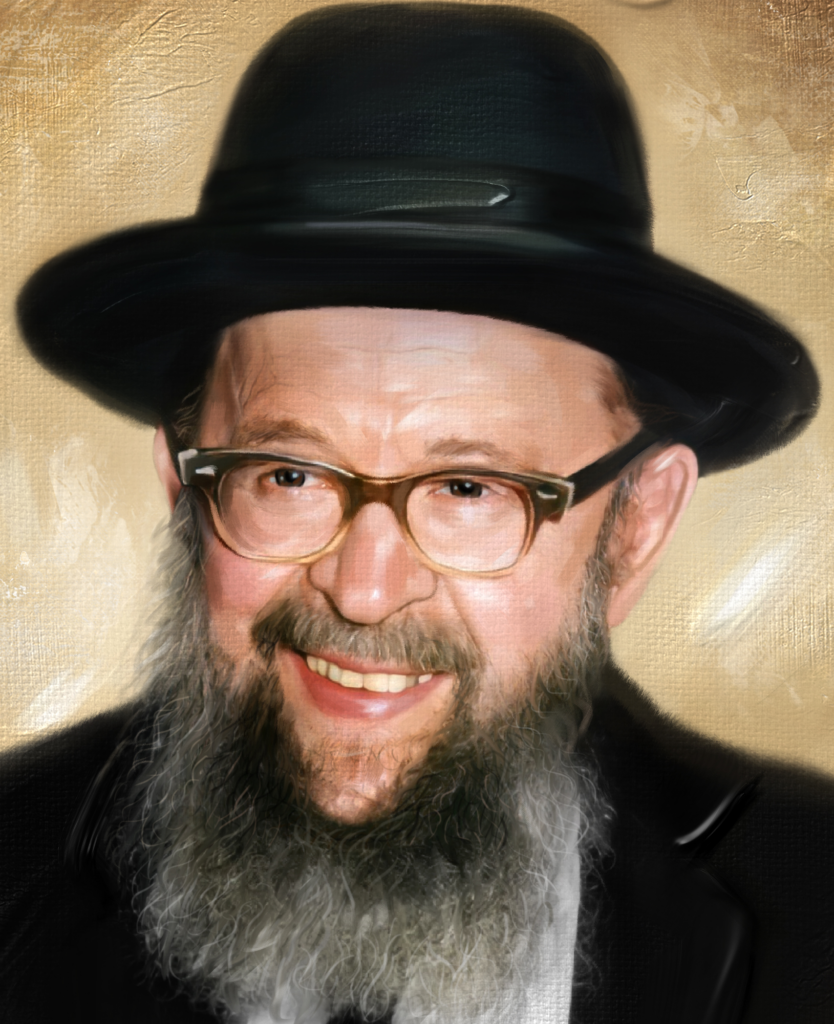
Rav Avigdor Miller ZT»L